
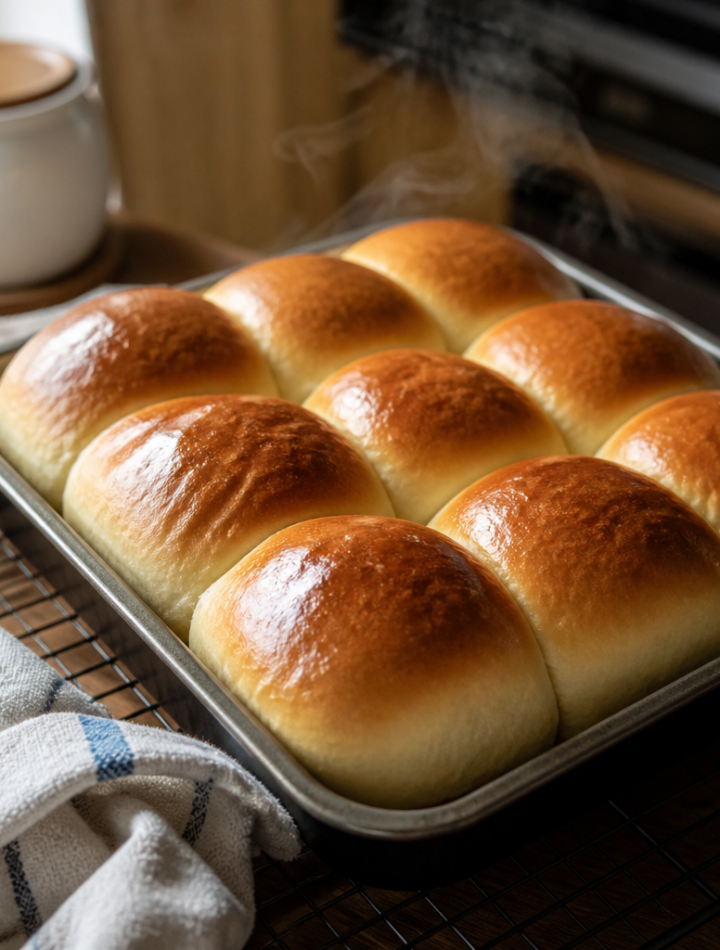
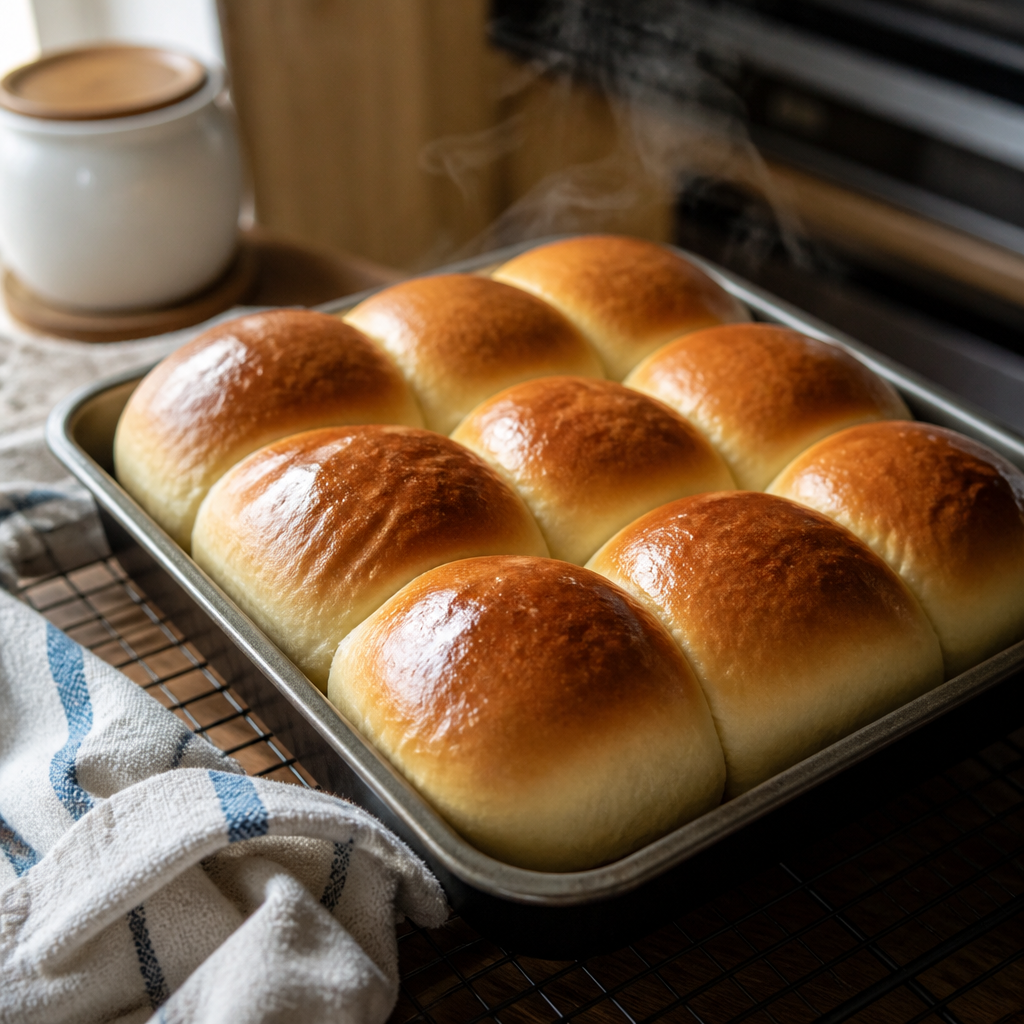
Easy Bread Machine Japanese Milk Bread for Soft Breakfast Rolls
This recipe guides you through making soft and fluffy Japanese milk bread using a bread machine. The dough is enriched with milk, butter, and a touch of sugar for a tender crumb. It includes a simple tangzhong starter to improve moisture and softness. The bread machine handles kneading and rising, making it accessible for home bakers.
Ingredients
250 grams bread flour (sifted)
15 grams dry milk powder
5 grams instant yeast
30 grams granulated sugar
30 grams unsalted butter (softened and cut into pieces)
160 milliliters whole milk (lukewarm (around 40°C / 104°F))
4 grams salt
50 milliliters water (for tangzhong)
25 grams bread flour (for tangzhong)
Instructions
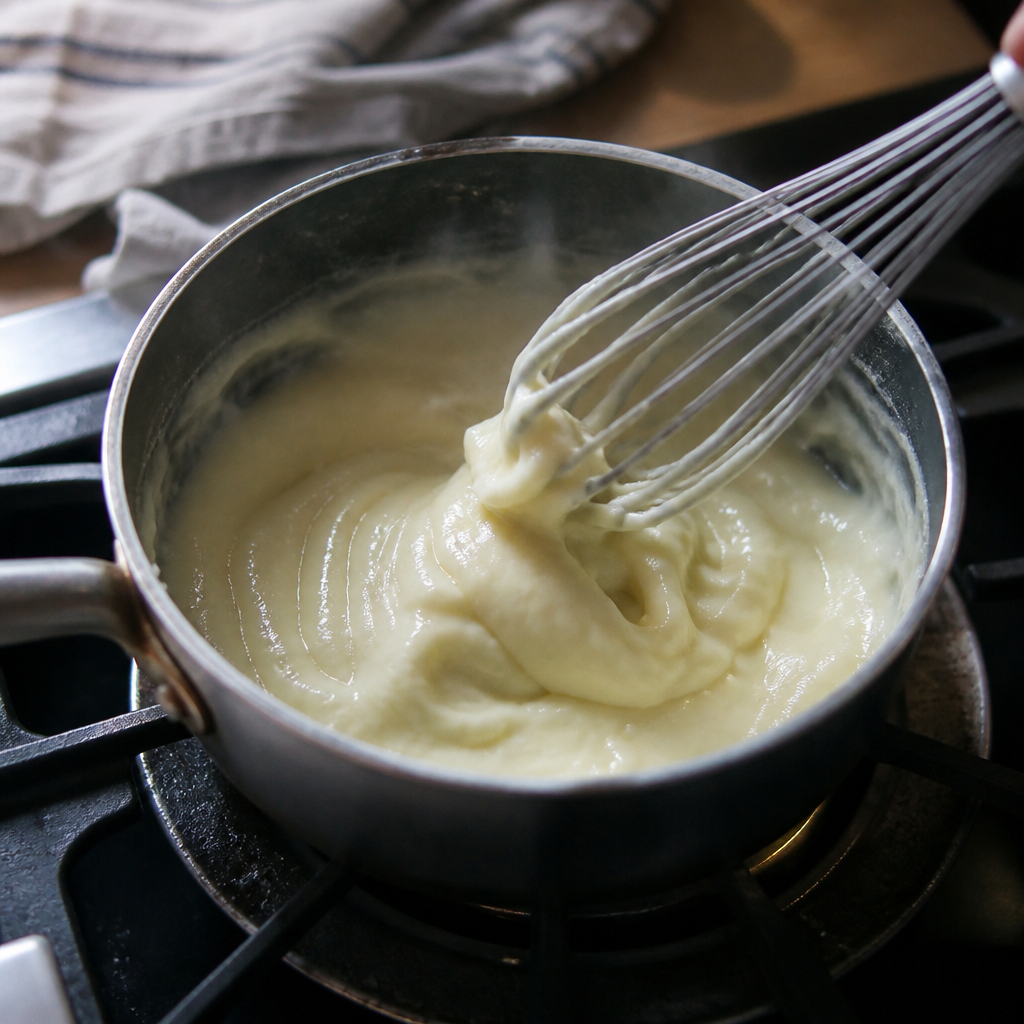
Prepare the tangzhong by whisking 25 grams bread flour with 50 milliliters water in a small saucepan until smooth. Cook over low heat, stirring constantly, until the mixture thickens to a pudding-like consistency. Remove from heat and let cool to room temperature.
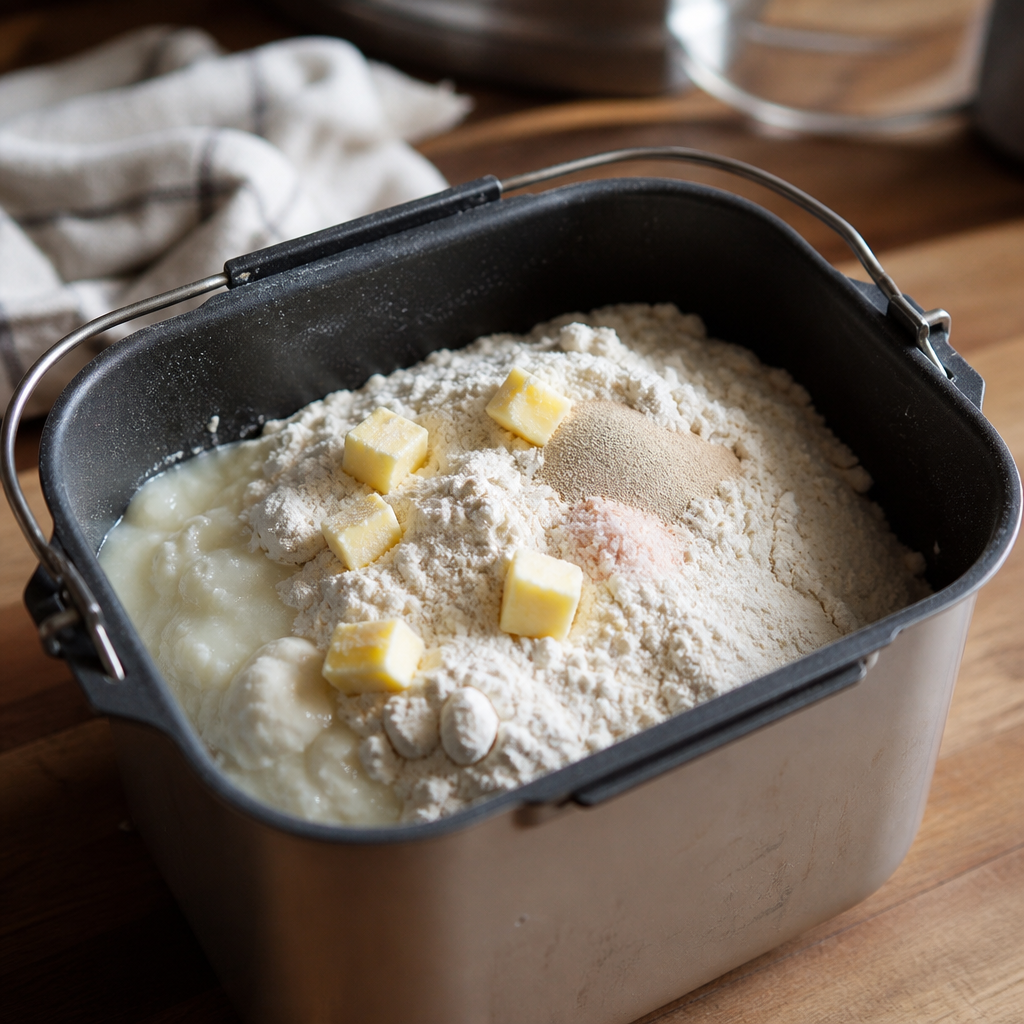
Add the cooled tangzhong, bread flour, dry milk powder, sugar, salt, instant yeast, softened butter, and lukewarm milk into the bread machine pan. Add ingredients in the order recommended by your bread machine manufacturer, usually liquids first, then dry ingredients, with yeast added last.
Select the dough cycle on the bread machine and start. The machine will knead and allow the dough to rise. Monitor the dough during the first kneading stage; it should form a smooth, slightly sticky ball. If too wet or dry, add small amounts of flour or milk accordingly.
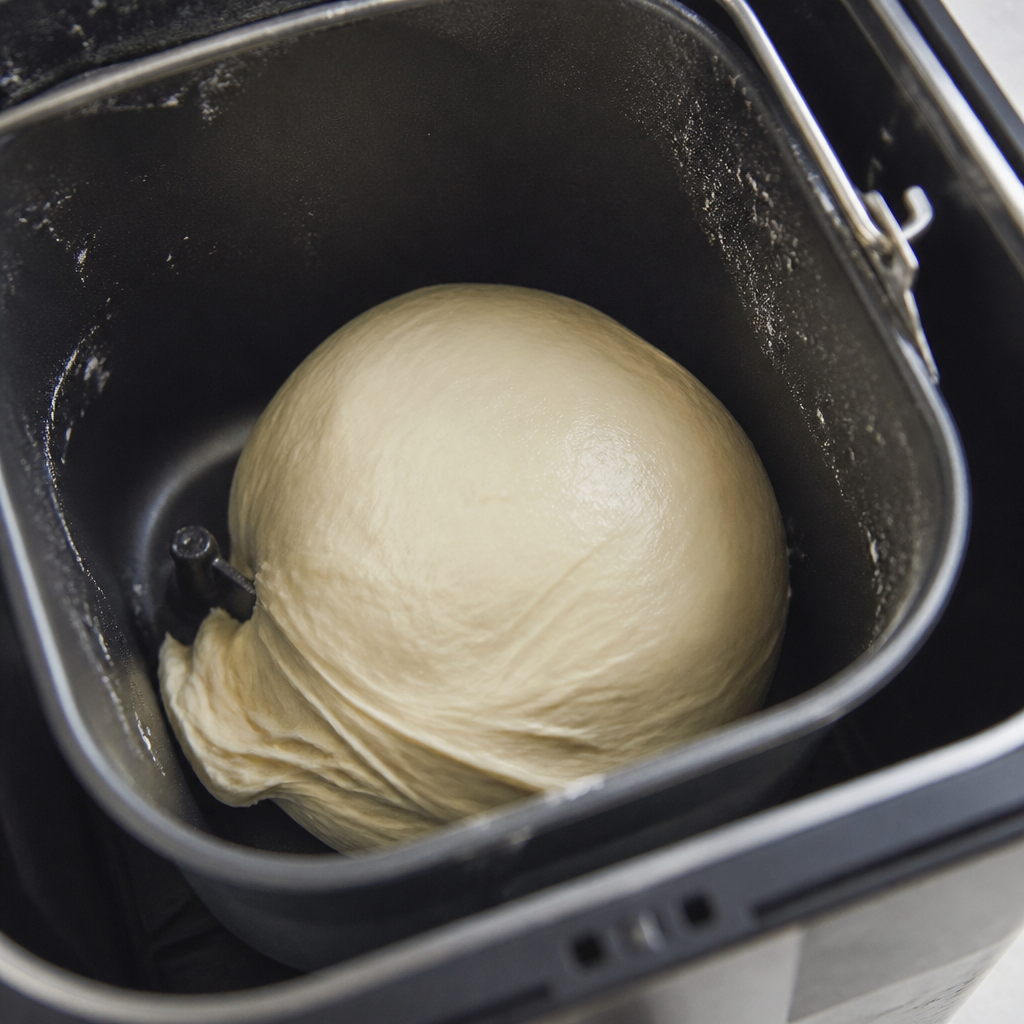
When the dough cycle completes, remove the dough and place it on a lightly floured surface. Divide the dough into 4 equal portions and shape each into a smooth ball. Place the balls into a greased 9×5 inch loaf pan, spaced evenly.
Cover the loaf pan with a clean kitchen towel and let the dough rise in a warm place until doubled in size, about 45 minutes to 1 hour.
Preheat the oven to 180°C (350°F). Bake the loaf for 25 to 30 minutes until the top is golden brown and the loaf sounds hollow when tapped.
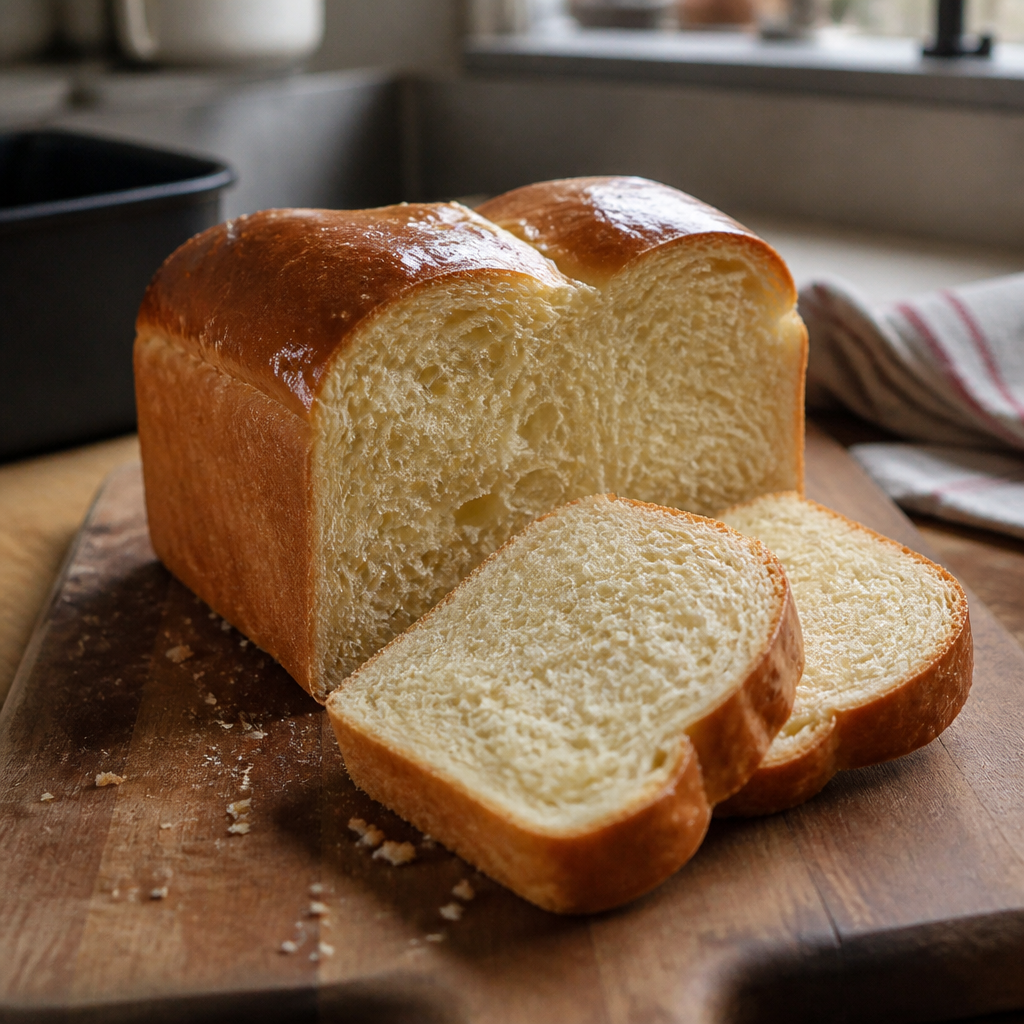
Remove the bread from the pan and cool completely on a wire rack before slicing to preserve the soft texture.
Equipment
bread machine
small saucepan
whisk
loaf pan (9×5 inch)
kitchen towel
wire cooling rack
Tips
Ensure the milk is lukewarm (around 40°C / 104°F) to activate the yeast without killing it.
If the dough is too sticky during kneading, add flour 1 tablespoon at a time; if too dry, add milk similarly.
Using tangzhong improves moisture retention and softness but can be omitted for a simpler recipe; expect slightly less fluffy texture without it.
Store the bread in an airtight container at room temperature for up to 3 days or freeze sliced portions for up to 1 month.
Reheat slices gently in a toaster or oven to restore softness before serving.
Substitutions
Use non-dairy milk (e.g., soy or oat milk) instead of whole milk for a dairy-free version.
Replace unsalted butter with margarine or coconut oil for a different fat profile.
Active dry yeast can be used instead of instant yeast but requires proofing in warm water before adding.
Dry milk powder can be omitted if using full-fat milk, but it contributes to the bread’s tenderness and shelf life.
Storage Instructions
Store the bread in an airtight container or bread bag at room temperature for up to 3 days. For longer storage, slice and freeze in a sealed bag for up to 1 month. Thaw at room temperature or toast slices directly from frozen.
Why Cooling the Tangzhong Before Adding Matters
Make-Ahead and Freezing Tips for This Bread
What I Learned Testing This Recipe
How this compares, and what to cook next
This recipe uses a bread machine to handle the kneading and rising phases, which contrasts with traditional hand-kneading followed by bulk fermentation in bowls. The bread machine provides consistent kneading and temperature control that helps develop gluten evenly and maintain the ideal environment for yeast activity. This is especially important because the tangzhong must be fully cooled before mixing, or the yeast will be killed, preventing proper rising. Dividing the dough into four equal portions and proofing them in a loaf pan ensures even baking and the soft, fluffy texture characteristic of Japanese milk bread, which can be more challenging to achieve with manual kneading and shaping alone.
- World’s Easiest No-Knead Artisan Bread — shares a focus on easy bread making with simple techniques
- Easy No-Yeast Quick Soda Bread – Beginner Friendly One-Pan Recipe — offers a quick bread option without yeast for a different leavening method


